
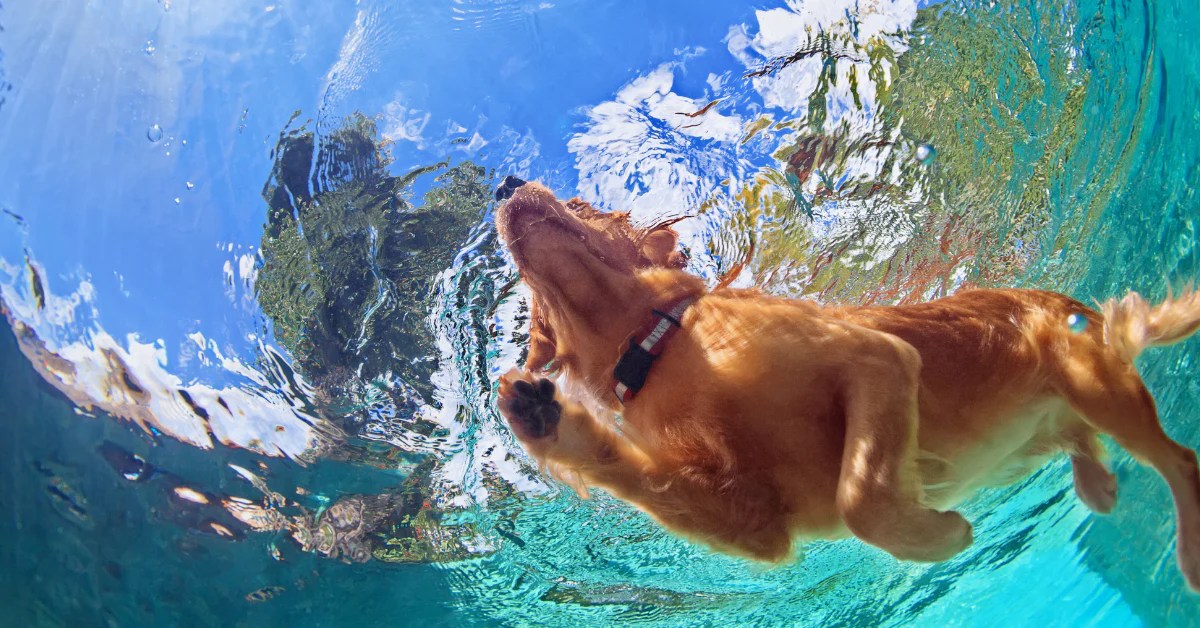
Nothing compares to the joy of watching your dog splash through the surf, chase waves, and embrace their aquatic instincts. But not all dogs are natural water lovers, and many factors—from their breed to their early experiences—influence how they feel about ocean swimming. In this article, we’ll dive into how breed affects swimming confidence, spotlight a few notable examples, and share essential tips for keeping your furry friend safe and happy in the water.
What Influences a Dog’s Comfort in Water?
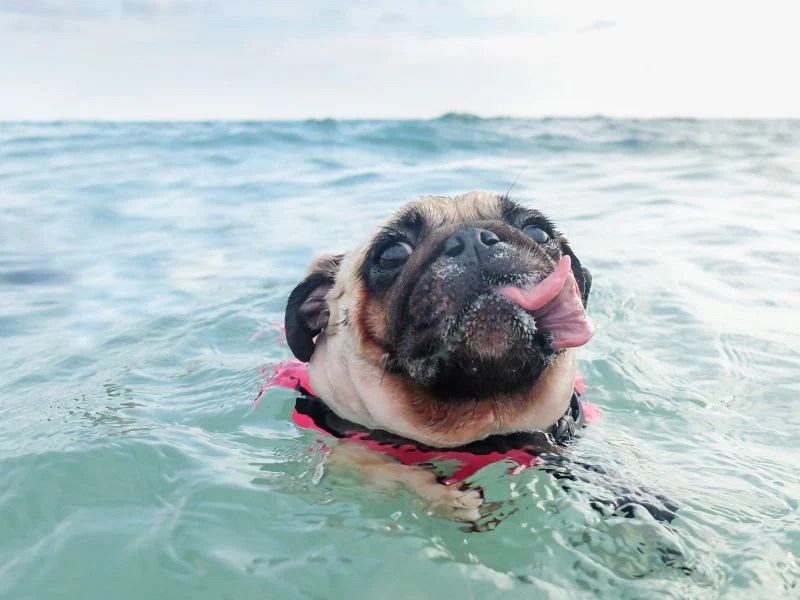
- Genetics and Breed Traits: Some breeds were developed for water-related tasks, while others were bred for land-based roles. Labrador Retrievers and Portuguese Water Dogs, for example, have physical adaptations like webbed feet and oily coats that make them exceptional swimmers. However, breeds like Dachshunds, with their long bodies and short legs, struggle to stay buoyant. Similarly, brachycephalic breeds face difficulties due to their facial structure, which makes breathing while swimming more challenging.
- Early Experiences: The way a dog is introduced to water plays a critical role in shaping their comfort level. Puppies that experience water positively, with gentle encouragement and plenty of rewards, are more likely to become confident swimmers. Negative experiences, such as being forced into water or encountering overwhelming waves, can result in a lifelong fear of swimming.
- Temperament and Personality: A dog’s personality influences their relationship with water. Adventurous and curious breeds, such as Australian Shepherds, are more likely to explore and enjoy swimming, while cautious or timid dogs may require more time and patience to build confidence.
- Health and Fitness: A dog’s overall health impacts their ability to swim comfortably. Overweight dogs may tire quickly, and dogs with joint issues, such as arthritis, might find swimming painful. Always consult with a veterinarian before introducing a dog to strenuous water activities.
Safety First: Ocean Tips for Your Dog
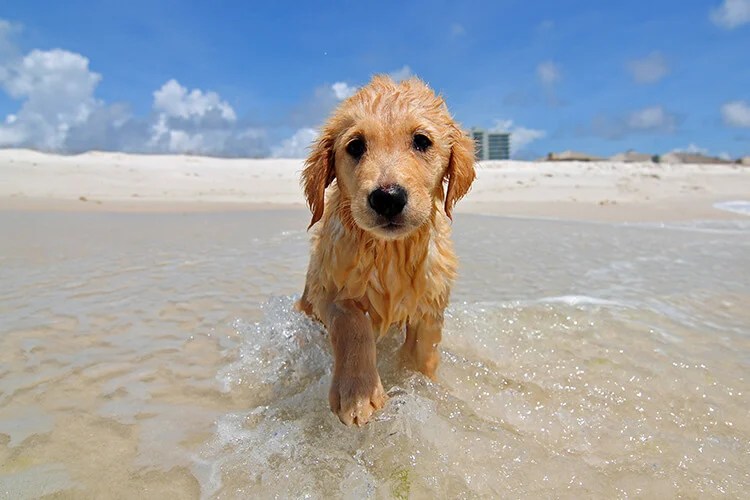
Monitor Tides and Waves: Avoid strong currents, rip tides, and high waves. Quiet, shallow waters are ideal for dogs.
Provide Fresh Water: Prevent your dog from drinking saltwater, which can cause dehydration or salt poisoning. Bring fresh water and encourage breaks.
Watch for Fatigue: Swimming is tiring. Keep sessions short and watch for signs of exhaustion.
Beware of Hazards: Check for jellyfish, sharp objects, and algae. Cyanobacteria in blue-green algae can be toxic to dogs.
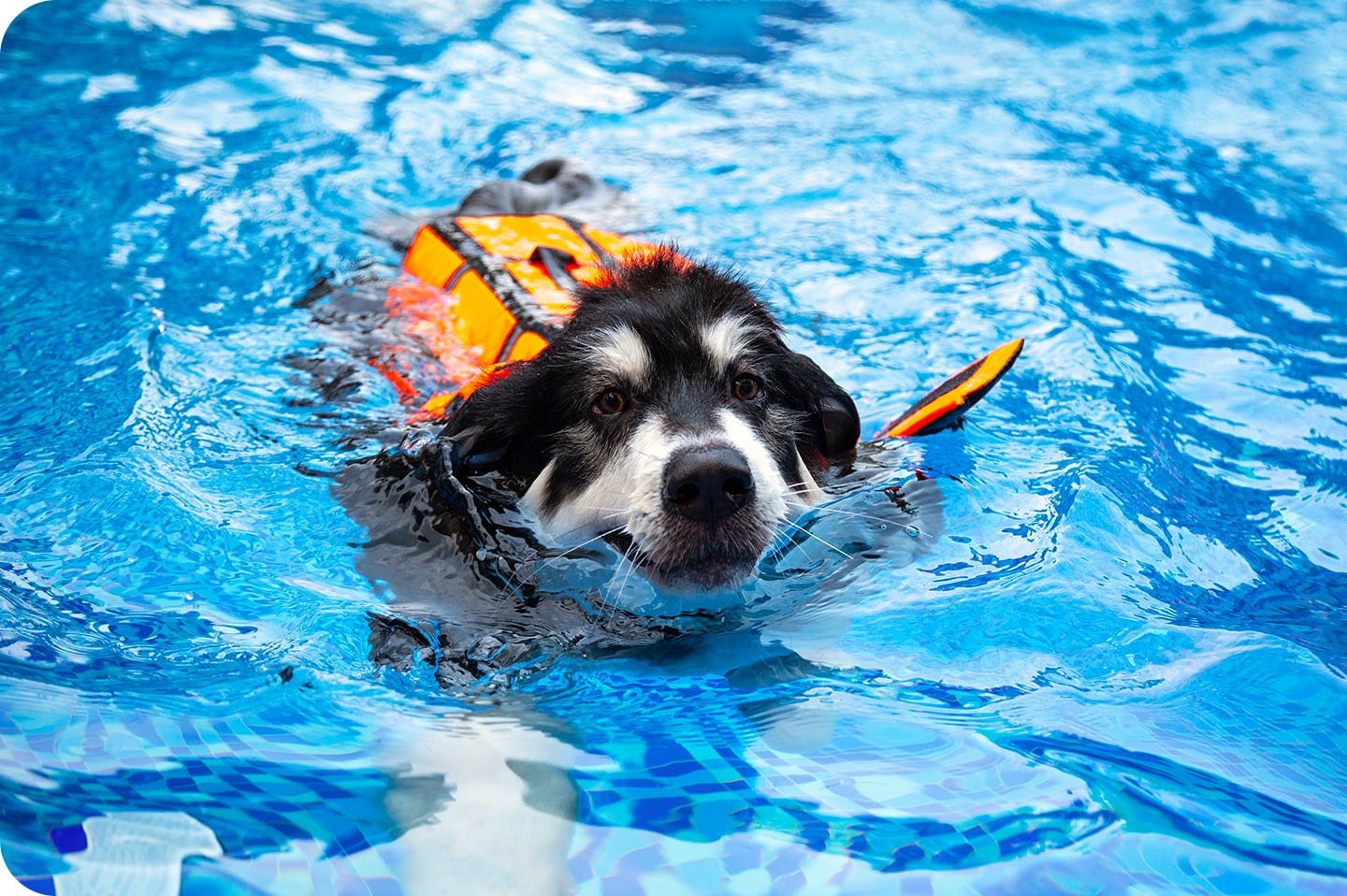
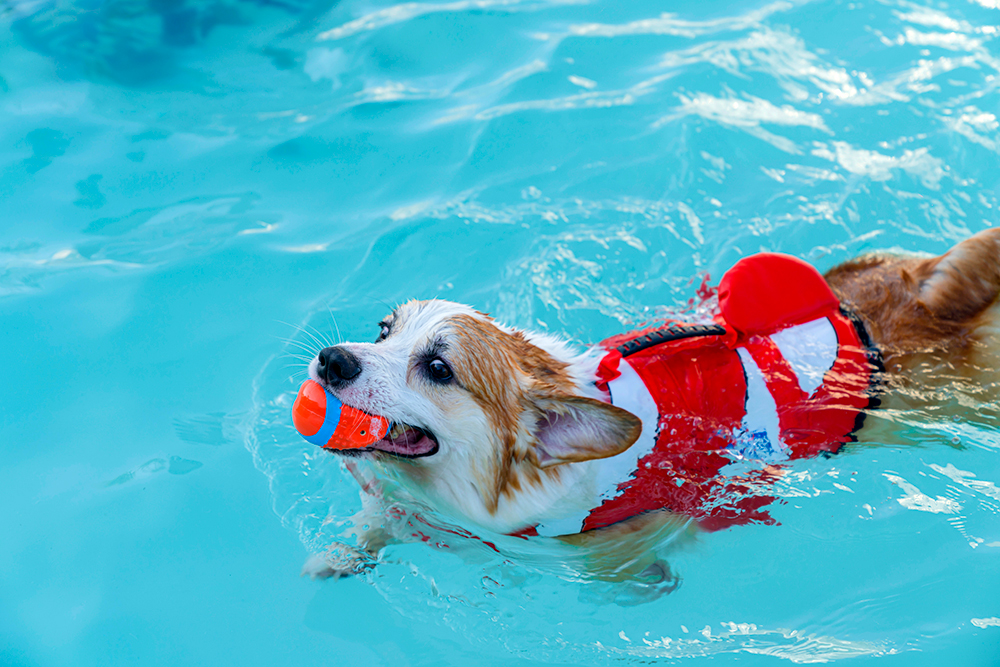
Equip with Safety Gear: Use life jackets for breeds with limited swimming ability or inexperienced swimmers.
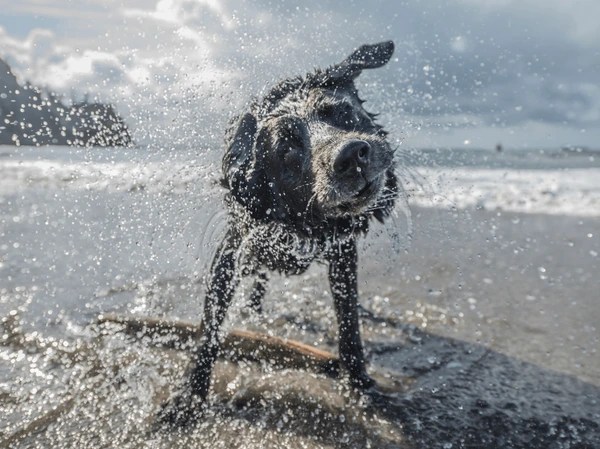
How To: Building Water Confidence
- Start Small: Begin with shallow water where your dog feels secure. Gradually increase the depth as they grow more comfortable.
- Use Positive Reinforcement: Treats, toys, and praise can encourage your dog to associate water with fun.
- Stay Close: Always supervise your dog and provide physical support if needed, such as holding their belly to help them float.
- Be Patient: Some dogs take longer to warm up to water. Never force them to swim.
- Introduce Floating Toys: Toys that float can motivate your dog to venture into the water and keep their focus on play rather than fear.
- Use Familiarity: Swim in calm, familiar environments before venturing into more dynamic waters like the ocean.
Swimming can be a joyful and enriching activity for dogs, offering physical exercise, mental stimulation, and a chance to bond with their humans. Understanding your dog’s unique traits and comfort level is key to making the experience safe and enjoyable. Whether your pup is a natural swimmer or needs a little encouragement, patience and preparation will go a long way. By respecting their boundaries and embracing positive experiences, you’ll help your dog develop confidence in the water—opening the door to countless seaside adventures together.
 Pippi's Cove
Leave a comment