


Australia is home to some of the most diverse and stunning seashells in the world, scattered along its vast and varied coastlines. From the vibrant cowries of the Great Barrier Reef to the intricate spirals found on southern beaches, each shell carries a piece of the ocean’s story. In this article we’ll dive into the captivating world of Australian seashells, uncovering their origins, habitats, rarity, and the marine creatures that call them home. From sandy beaches to rocky shores, the wonders of Australian seashells await…
1. Abalones
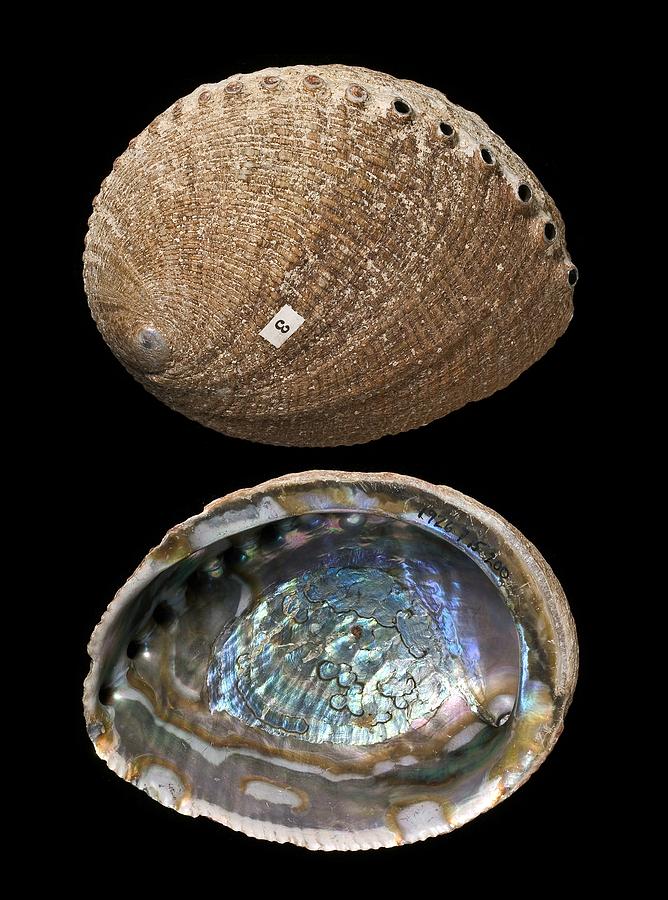
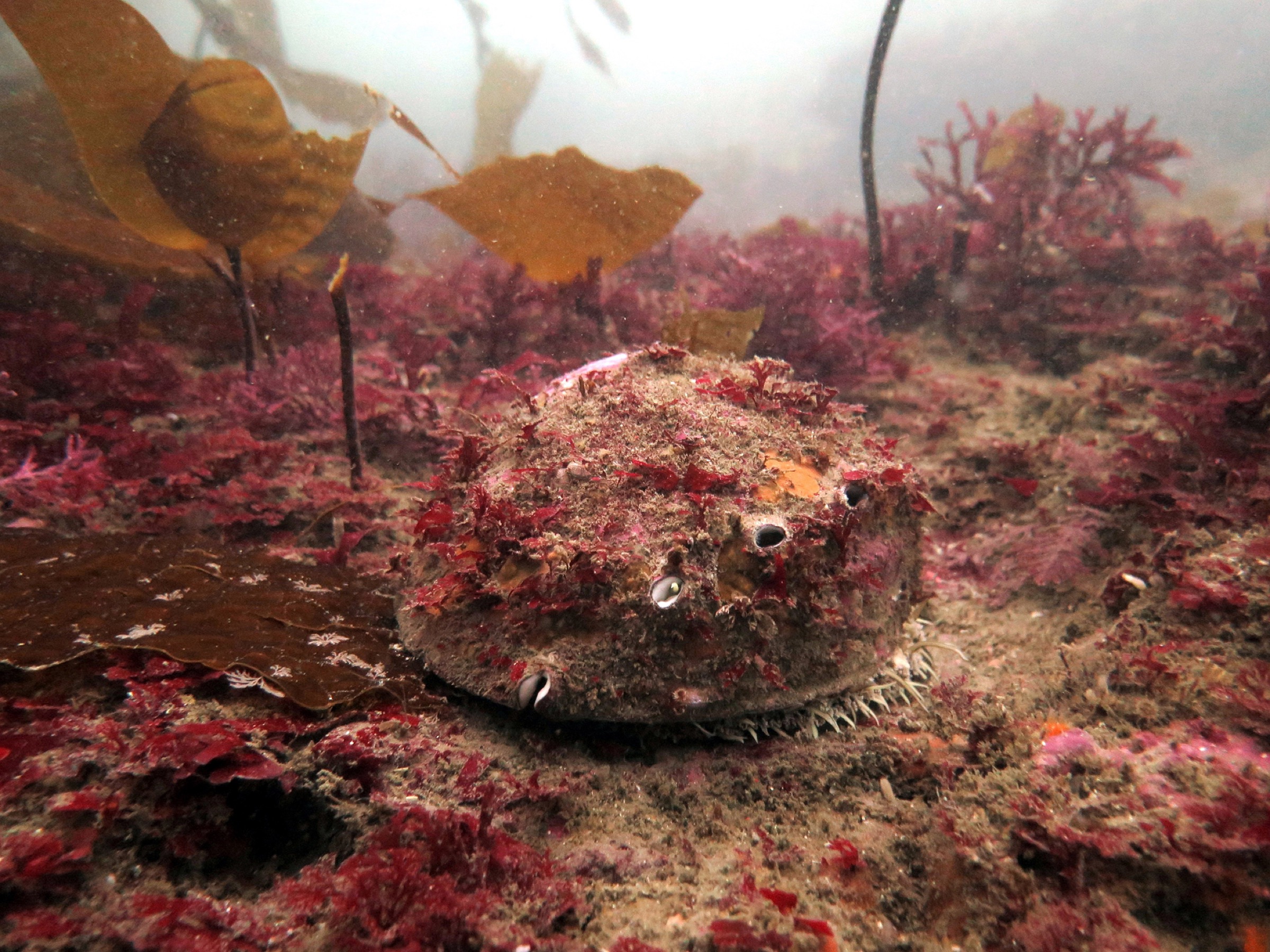
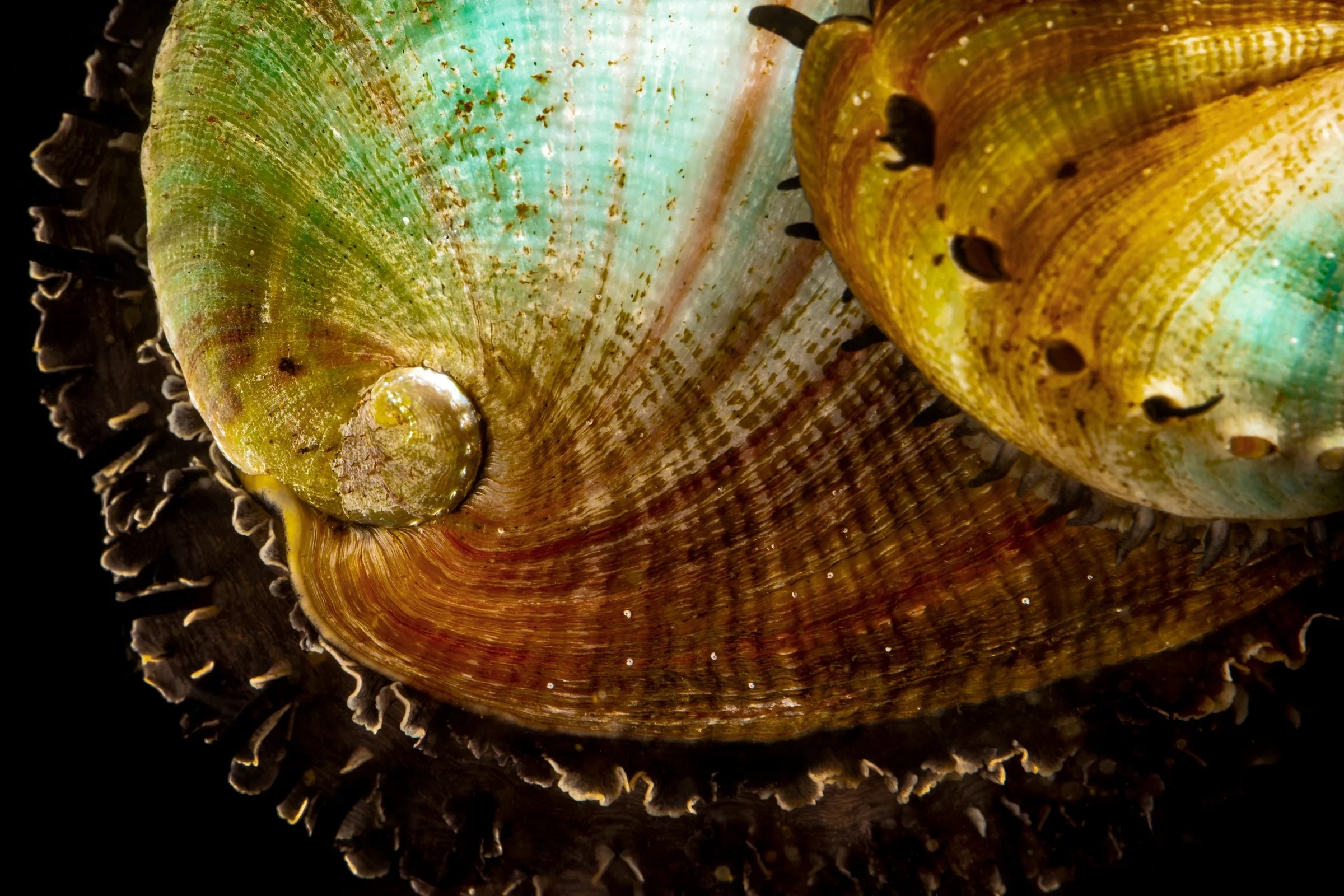
Description:
The abalone shell has a distinct, low, open spiral shape with a series of small, round respiratory pores running along its outer edge. These pores allow water to pass through, which the abalone uses for breathing. The interior of the shell is lined with a thick layer of nacre, commonly known as mother-of-pearl, which gives the shell its iridescent sheen. The colours of the nacre can vary significantly between species, ranging from silvery white to shades of pink, red, green, and even deep purple, often reflecting the abalone’s diet and environment. The outer surface of the shell is typically dull and ridged, providing the creature with vital protection against predators and the harsh marine environment.
Inside the shell, the abalone itself is a marine gastropod that uses its large, flat foot to cling tightly to rocky surfaces in coastal waters. Abalones are primarily herbivores, feeding on marine algae, which they scrape off rocks using their specialized radula. This radula, a toothed, ribbon-like structure, has small median teeth and larger, beam-like lateral teeth that help them efficiently graze on their food source. The abalone’s feeding habits play a crucial role in the health of its ecosystem, as they help control algae growth on the rocks and maintain the balance of the intertidal zone.
The abalone’s body is soft and coiled around a central muscle, which helps anchor it securely to its shell. It has a pair of symmetrical gills located inside the mantle cavity, which are highly developed to extract oxygen from the water. The gills are essential for respiration, allowing the abalone to survive in the oxygen-poor waters of the intertidal zone. To breathe, the abalone draws water into its mantle cavity, passes it over the gills, and expels it through the siphonal holes near the edge of the shell. This efficient system allows the abalone to extract oxygen even when submerged in turbulent waters.
Where can Abalones be found across Australia?
Abalone Shells are found primarily along southern Australian coasts, including Tasmania, Victoria, and South Australia, especially around rocky reefs and kelp forests. Populations are dense in marine parks and protected areas but are declining in heavily fished regions due to overharvesting and poaching.
2. Whelks

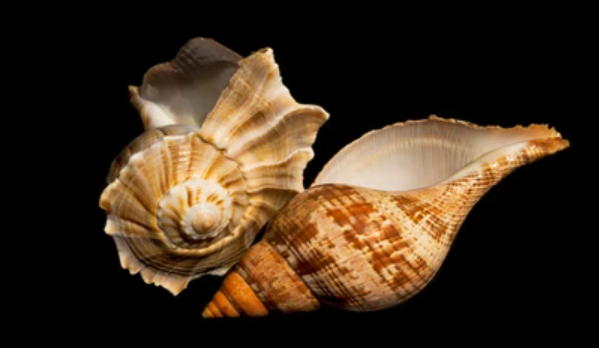
Description:
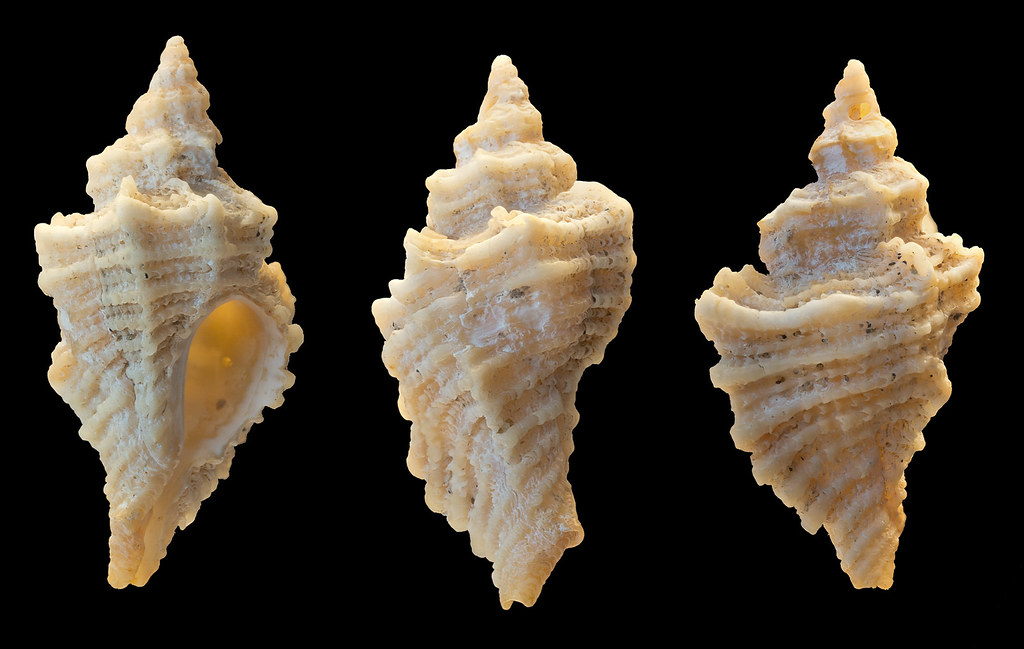
The Welk is a marine gastropod characterized by it’s sturdy, elongated shell with a low, conical shape. These shells feature deep grooves and often exhibit spiral or axial patterns, sometimes accompanied by shoulder knobs on the ribs. The opening of the shell is large, with a clear canal that helps the whelk filter water. Shell thickness varies depending on habitat, with species in tropical shallow waters having thicker shells compared to the thinner shells of those in colder regions. The rim of the shell’s opening is functional and often used to pry open clams and mussels, which are a part of their diet. A tough, horn-like cover called an operculum closes the shell, protecting the whelk from predators and harsh environments.
Whelks are equipped with a long, flexible feeding tube, called a proboscis, which they use to extract food from their prey. This proboscis can extend to twice the length of their bodies, allowing them to reach into the shells of clams, mussels, and other bivalves. As well as this, their strong sense of smell, located in an organ called the osphradium, helps them detect prey from large distances.
The soft body of the whelk is spiral-shaped and fits snugly within the shell. It has two short tentacles on its head, each with a small eye at the base. These tentacles help the whelk navigate its environment, while the large, muscular foot enables it to move across the ocean floor and cling to surfaces. The foot also plays an important role in burrowing and anchoring the whelk in place when feeding or avoiding predators.
Where can Whelks be found across Australia?
Whelks are common along temperate and subtropical coasts, particularly in the sandy shores of New South Wales and Victoria. They thrive in intertidal zones and estuaries, where they play a role as scavengers and predators.
3. Cowries
Description:
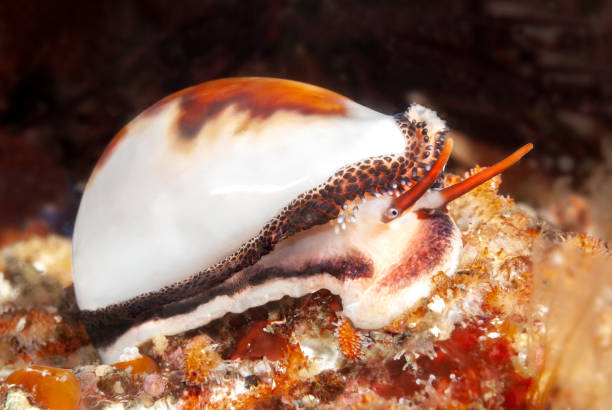
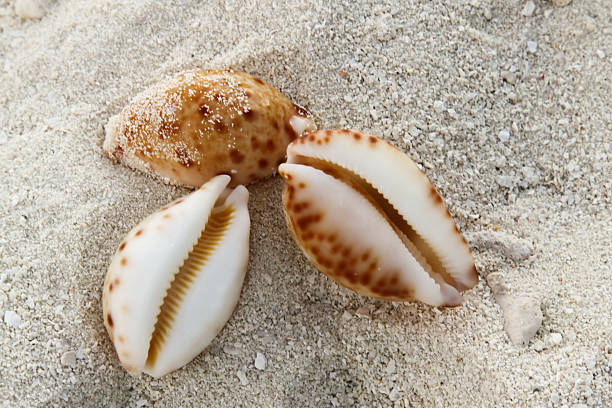
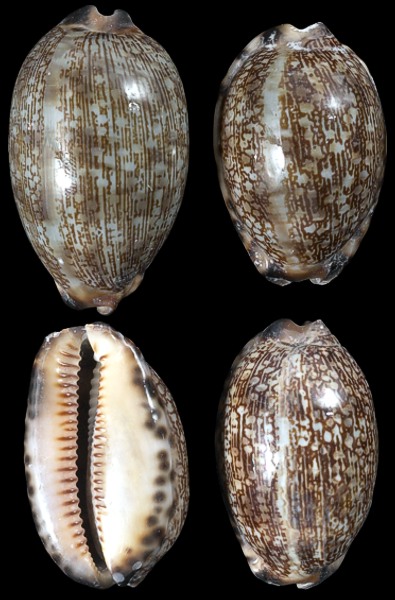
Cowries are marine snails known for their smooth, glossy shells that are often brightly colored and intricately patterned. These shells are thick and rounded, with an egg-like shape. The upper, curved portion is called the dorsal face, while the flatter underside, the ventral face, features a long, narrow slit-like opening. This opening, or aperture, is lined with fine, tooth-like ridges that provide additional protection against predators. The narrower end of the shell is referred to as the anterior, while the broader end is the posterior. Unlike adults, juvenile cowries have a visible spire and a more angular shell shape, which gradually changes as they grow.
The cowrie’s glossy shell is maintained by its mantle, a specialized tissue that covers the exterior and continually adds layers of calcium carbonate. This process not only strengthens the shell but also preserves its vibrant, porcelain-like finish. Patterns and colours vary widely among species, providing camouflage in their habitats, which range from coral reefs to rocky sea beds. Sizes differ significantly as well, with smaller species measuring around 5 mm and larger ones, such as the Atlantic deer cowrie, reaching up to 19 cm.
Cowries are grazers, using a specialized feeding organ called a radula to scrape algae, sponges, and organic matter from rocks and coral. Their selective grazing helps maintain the balance of marine ecosystems, as their feeding prevents algae from overgrowing and smothering coral reefs.
Where can Cowries be found across Australia?
Cowries are abundant in northern Australia, particularly along the Great Barrier Reef and Ningaloo Reef. These tropical species are common on coral reefs and rocky shorelines, where they hide in crevices during the day.
4. Cone Shells

Description:
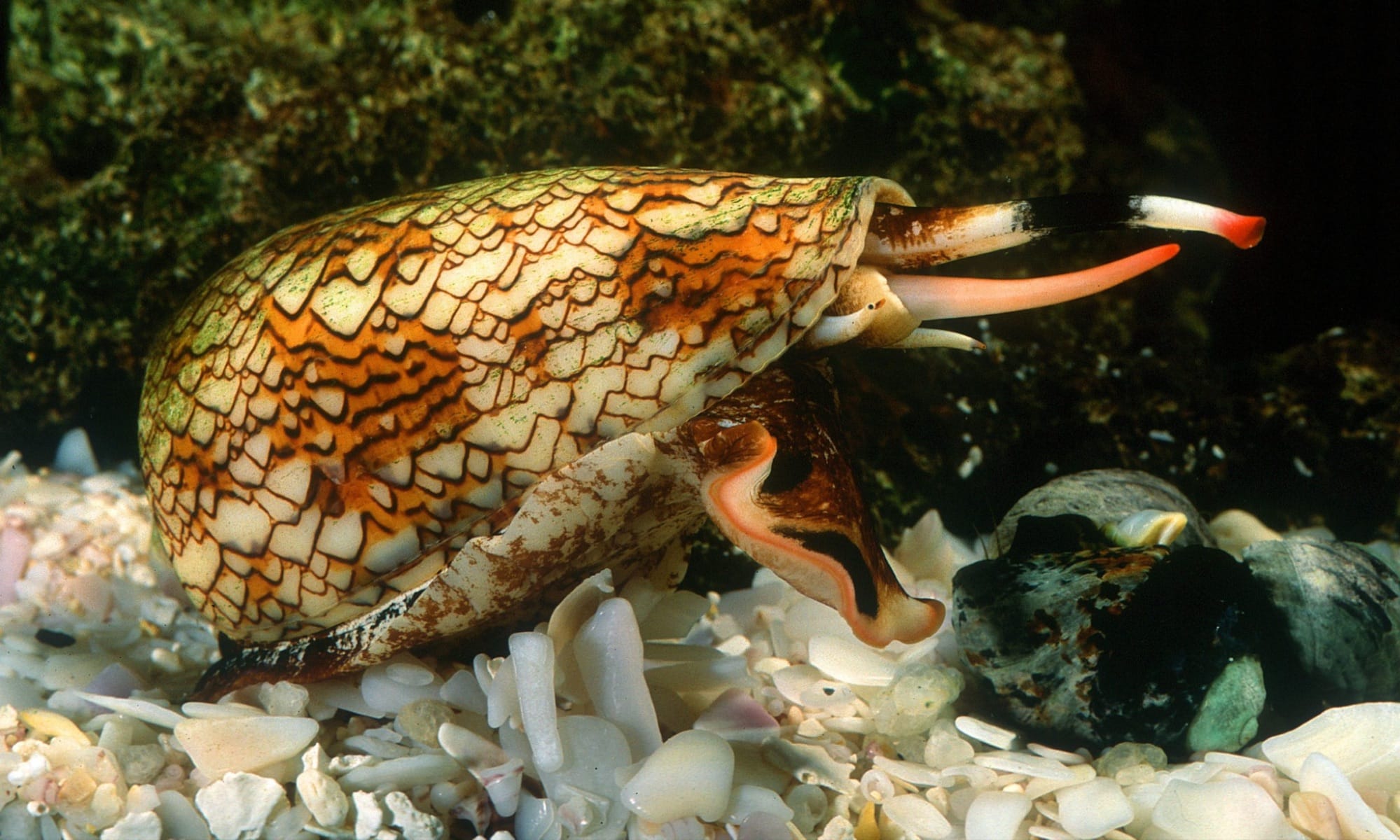
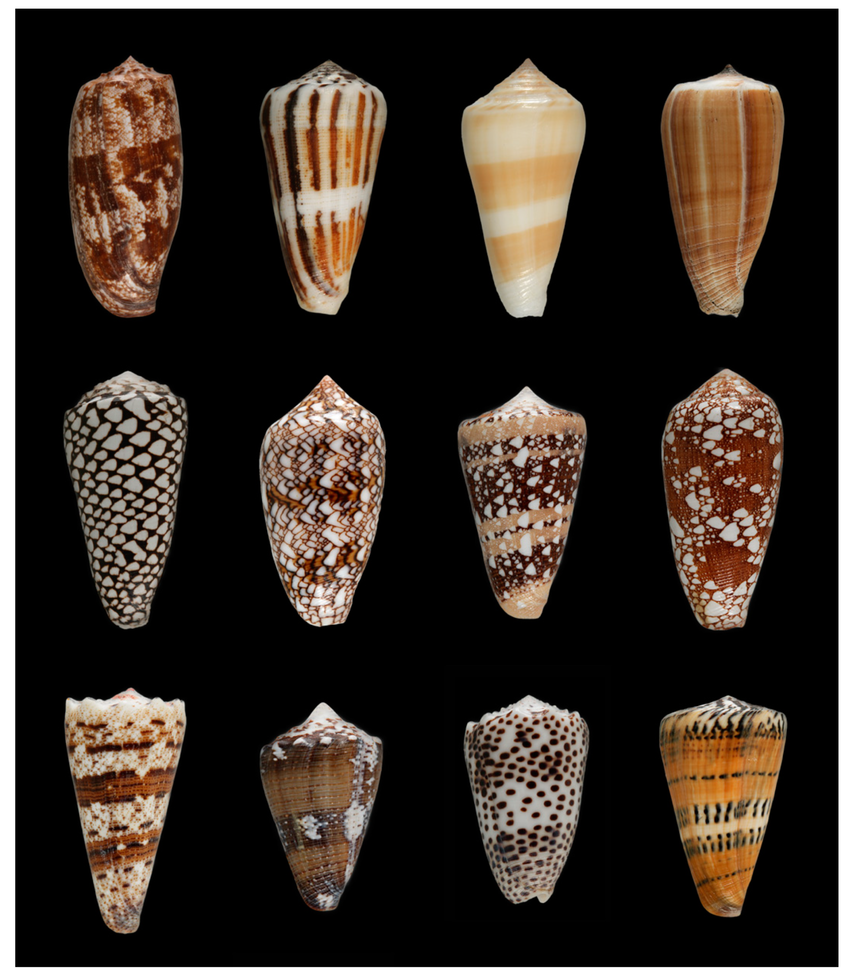
Cone snails are easily identifiable by their conical shells, which are smooth and glossy with intricate colour patterns. The shells typically feature a blend of vibrant colours such as brown, white, yellow, and orange, often arranged in bands, stripes, or spots. The shell tapers to a narrow, pointed tip, with the top part, or spire, forming a flattened cone shape as it spirals outward. The shells can grow up to 23 cm in length with a long narrow opening bordered by a sharp, thin outer lip with a slight notch at the tip.
These snails are carnivorous predators, using a sharp tooth to capture prey. The tooth is barbed and can inject venom into the victim, which includes marine worms, small fish, and mollusks. This venom paralyzes the prey, making it easier for the snail to consume. The venom is produced by a specialized gland and can be potent enough to disable fast-moving fish.
Cone snails use a well-developed sensory organ called the osphradium to detect chemical signals in the water, allowing them to locate prey. Some species have evolved the ability to mimic the pheromones of certain worms, luring them closer to be captured. Despite their beautiful appearance, cone snails are not typically collected due to the danger of their venomous sting.
Where can Cone Shells be found across Australia?
Cone Shells are found along northern and tropical coasts, particularly in Western Australia, Northern Territory, and Queensland. Cone shells are most common in sandy and coral reef environments, such as those in the Kimberley region and the Whitsundays.
5. Limpets

Description:
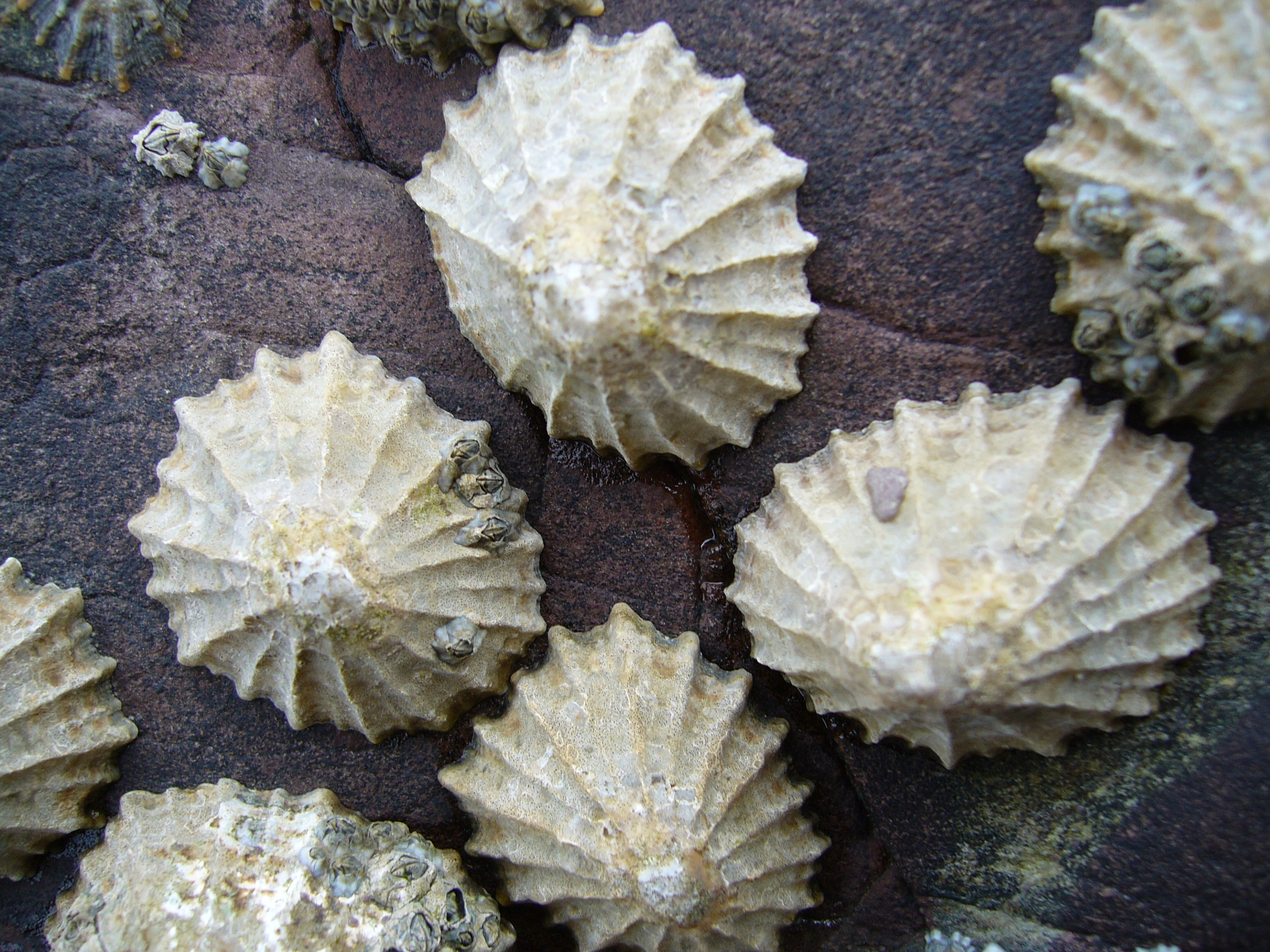
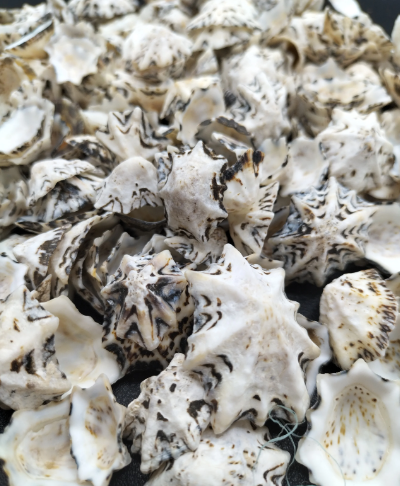
Limpets are marine gastropods that provide a sturdy defence against predators and environmental hazards. Their dish shaped shells are smooth or ribbed, offering protection against predators and harsh environmental conditions. The underside of the limpet houses a soft, muscular foot, which secretes mucus to create a watertight seal with the rock, preventing dehydration and allowing them to resist wave movement.
Limpets move slowly to graze on algae, using specialized rows of microscopic, iron-reinforced teeth that are among the strongest biological materials known. These teeth scrape algae from rock surfaces, enabling the limpet to sustain its diet. Inside, their simple anatomy includes a three-chambered heart, a single gill for oxygen exchange, and a compact digestive system that processes the algae they consume. Limpets reproduce by releasing gametes into the water, and their larvae are free-swimming before settling to the ocean floor to develop into adults.
Where can Limpets be found across Australia?
Limpet shells are distributed widely across rocky shorelines in Australia, particularly in high-energy intertidal zones along New South Wales and Victoria’s coasts. They cling to rocks in areas exposed to waves, making them a characteristic feature of southern shorelines.
6. Margin Shells

Description:
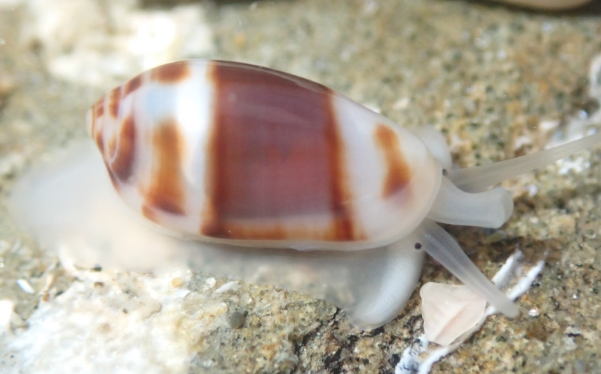
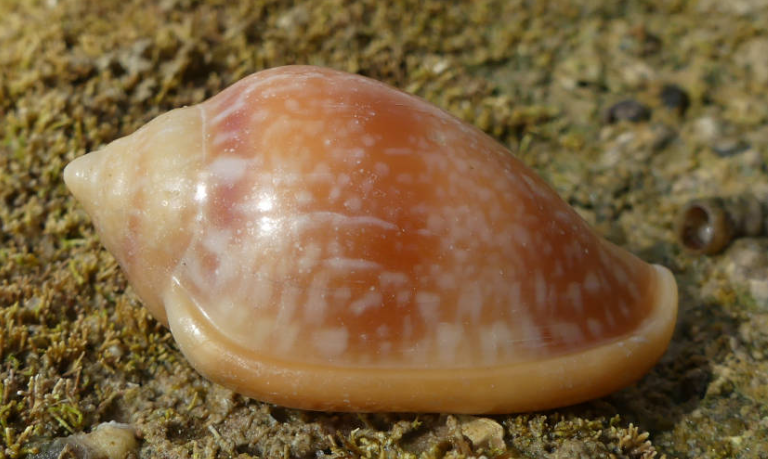
Margin shells are small to medium-sized marine snails which are typically under 15 mm in length. Their shells are smooth and glossy, usually white, cream, yellow, orange, or red, with patterns ranging from uniform colours to more complex designs. The outer lip of the shell is thickened, creating a distinct “margin,” hence their name.
These snails are found in a variety of marine environments, ranging from shallow intertidal zones to depths of over 1,000 meters. In shallow waters, they inhabit exposed rocky shores, crevices, and tide pools, often hiding under rocks or debris. In deeper regions, margin shells are typically found on sandy or muddy seafloors, where they are less accessible without specialized equipment like dredging or trawling.
In terms of behaviour, margin shells are known to be active feeders. They feed primarily on small bivalves, using their specialized feeding organ to drill holes into the shells of their prey. This behaviour suggests they are either carnivores or scavengers. The snails are not only limited to grazing on algae or detritus like many other snails but instead actively hunt for smaller organisms. Because of their small size and specific habitat preferences, margin shells can be difficult to study in detail, and many aspects of their ecological role remain unknown. Despite these challenges, they are a key part of marine ecosystems, especially in intertidal and shallow subtidal zones. Researchers continue to explore their anatomy, genetics, and ecological impact to better understand the full diversity and behaviour of margin shell species.
Where can Margin Shells be found across Australia?
Margin Shells are found in sandy and muddy substrates along the coasts of Queensland and Western Australia. These shells are more common in subtidal areas and estuaries, where they are often buried beneath sediment.
7. Scallops


Description:
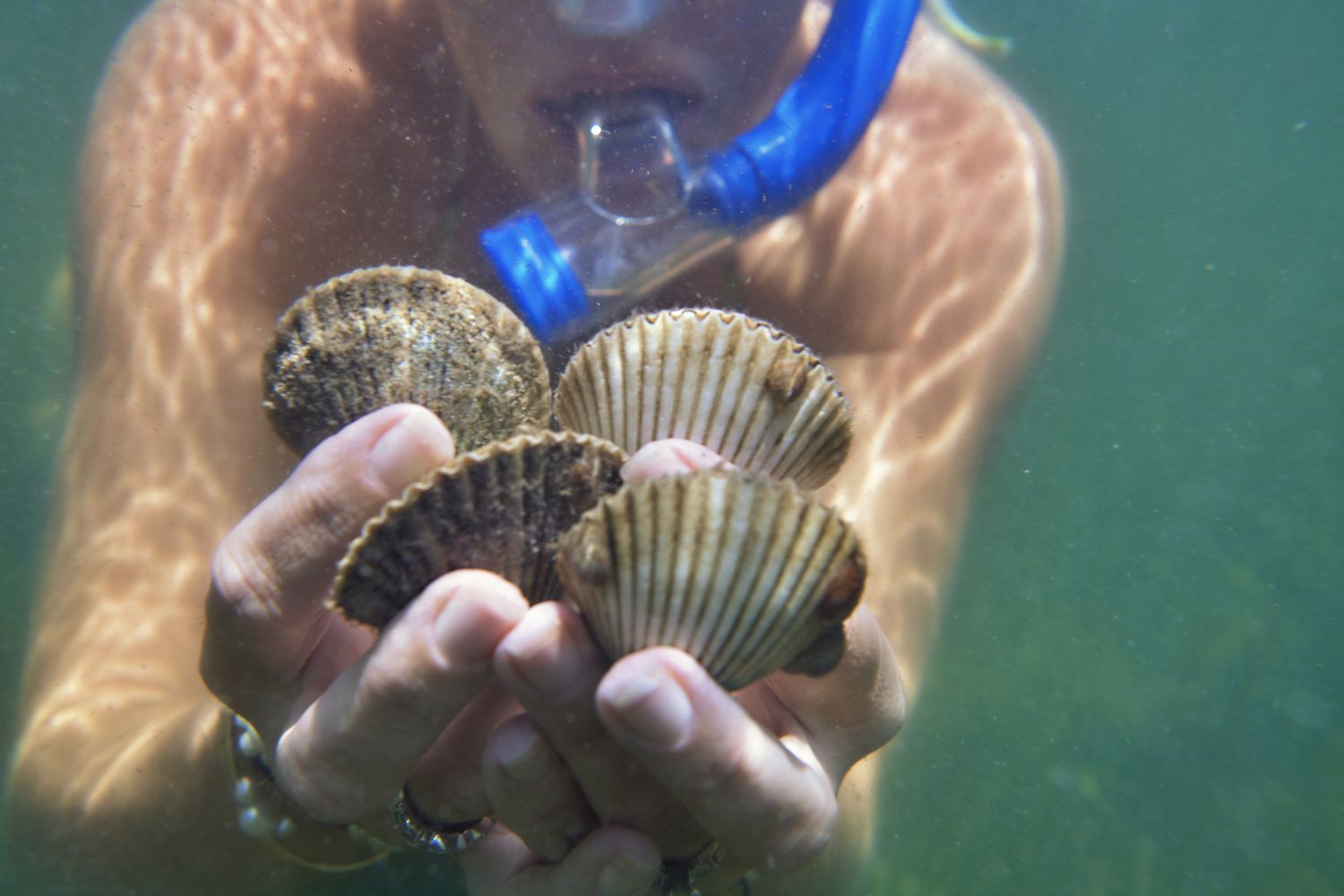
The scallop shell is a distinctive and highly recognizable form in the world of marine molluscs, characterized by its symmetry, fan-like shape, and intricate surface detailing. The shell consists of two valves, often nearly identical in shape, with a straight hinge line that forms the top edge. This hinge features a pair of flat, wing-like extensions called “ears” or “auricles” on either side. The valves are often covered with radiating ridges or ribs that provide both structural strength and hydrodynamic efficiency, enabling the scallop to move through water when needed. These ridges also enhance the shell’s durability, allowing it to withstand environmental pressures and predator attacks.
The coloration of scallop shells varies widely among species and habitats, ranging from neutral to vibrant shades of orange, red, yellow, and purple. These colours often form complex patterns, including bands, spots, or marbled designs, which serve as camouflage or as a display to deter predators. Growth rings, visible as concentric lines on the shell’s surface, provide a record of the scallop’s age and developmental history, much like the rings of a tree.
In terms of structure, the right valve is typically deeper and more rounded than the left, as most scallops rest on their right side when inactive. Inside the shell is a polished, often pearly surface, with a distinctive central scar marking the attachment point of the powerful adductor muscle used for swimming and closing the shell.
Scallops inhabit a wide range of environments, from shallow intertidal zones to deep-sea floors exceeding 1,000 meters. In shallower regions, they are often found on sandy or rocky substrates, nestled among seagrass or kelp. In deeper waters, scallops adapt to muddy or sandy seafloors, relying on their shell for protection and mobility.
Where can Scallops be found across Australia?
Scallops are most abundant in southern Australia, particularly in Victoria’s Port Phillip Bay and South Australia’s Gulf St Vincent. They prefer sandy seafloor habitats and seagrass meadows but are susceptible to overfishing.
8. Cockle Shells
Description:
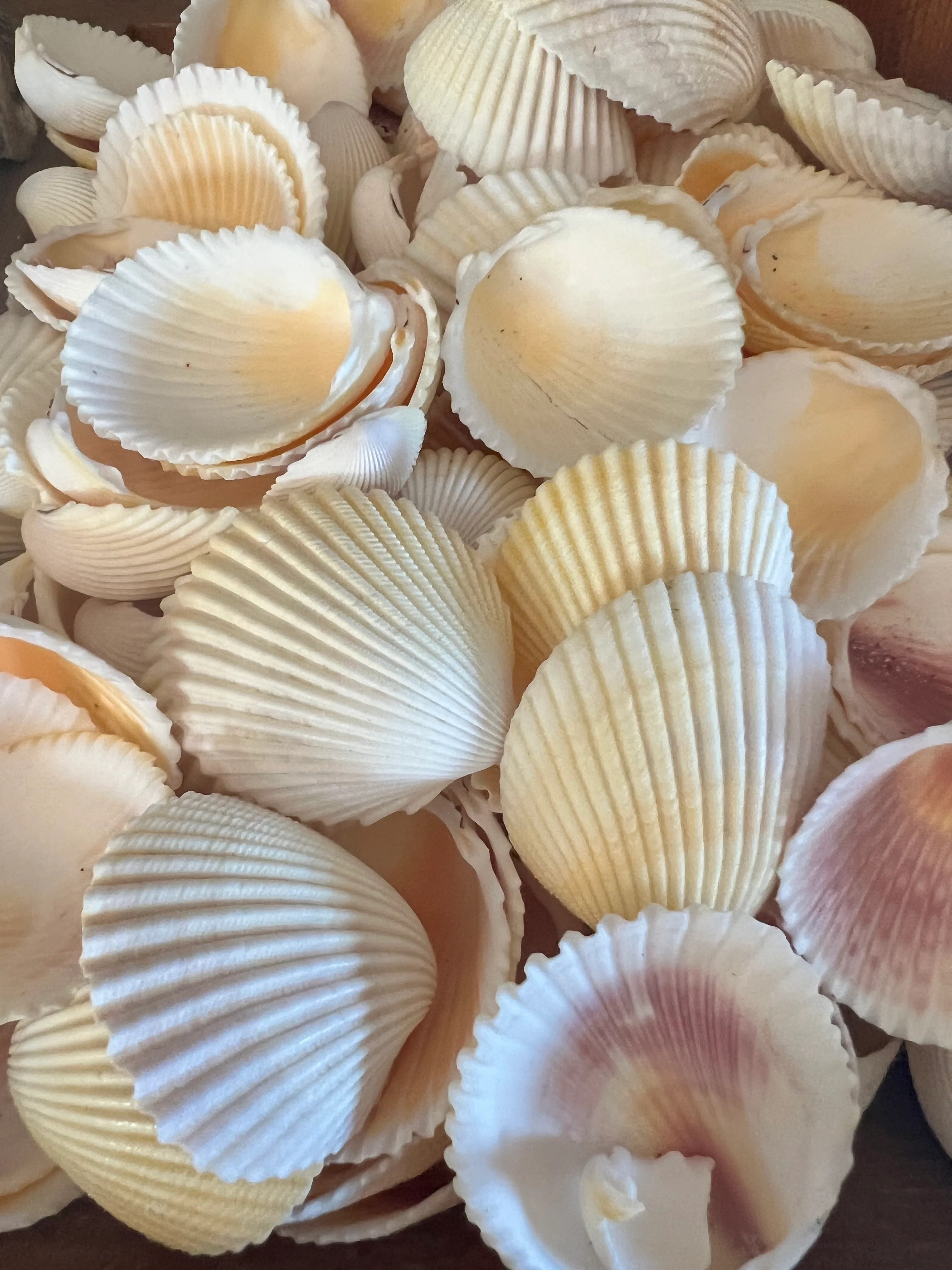
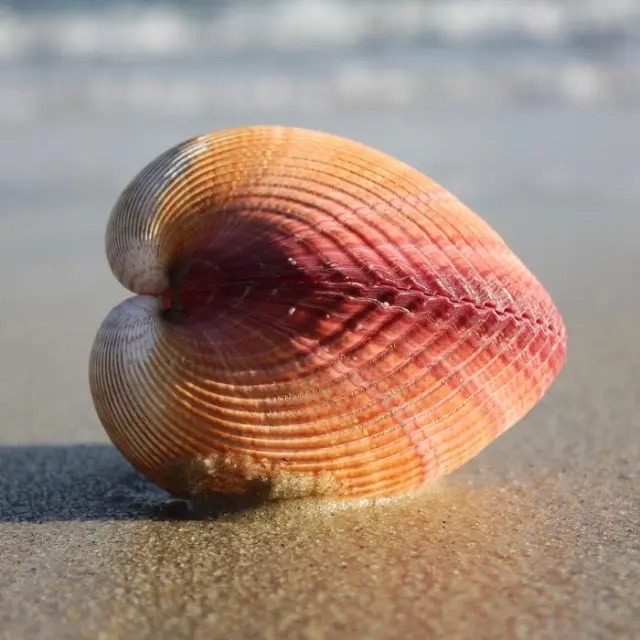
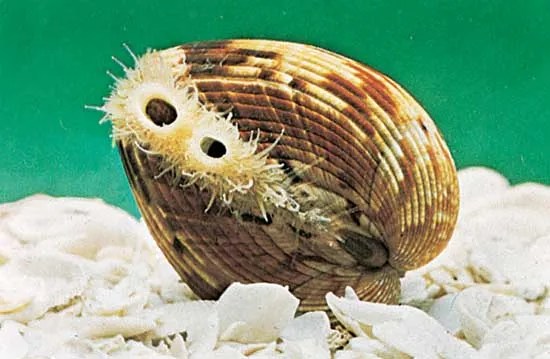
The cockle shell is a marine animal that lives buried in sandy beaches around the world. It has a round shape and is perfectly symmetrical, with two identical halves joined by a hinge. The shell is often covered with raised lines, called ribs, that spread out from the hinge to the edges. Some types of cockles, however, have smooth shells without these ribs.
One key feature of the cockle shell is that it can close completely, forming a tight seal to keep out predators and harmful particles. While its ribbed design may look similar to a scallop’s shell, cockles don’t have the triangular “ears” near the hinge that scallops do. Another difference is how they live: cockles bury themselves in the sand, while scallops often swim freely or attach themselves to surfaces.
Inside the shell is the soft body of the cockle. This includes a mantle, a layer of tissue that lines the shell, with three openings: one for taking in water, one for pushing water out, and one for extending a muscular foot. This foot is used to dig into the sand, helping the cockle stay safe from predators. It also allows the cockle to “jump” by quickly bending and straightening, which can help it escape danger.
Cockles feed by filtering tiny plants and particles from the water they draw in. This feeding helps keep the water clean in their environment. Their shells come in colours ranging from white to light brown, often with patterns, making them a popular find for beachgoers.
Where can Cockle Shells be found across Australia?
Cockle Shells are common in sheltered estuaries and bays across the Australian coastline, particularly in South Australia’s Coffin Bay and the Swan River in Western Australia. They are most abundant in soft sandy and muddy substrates.
9. Sea Urchins

Description:
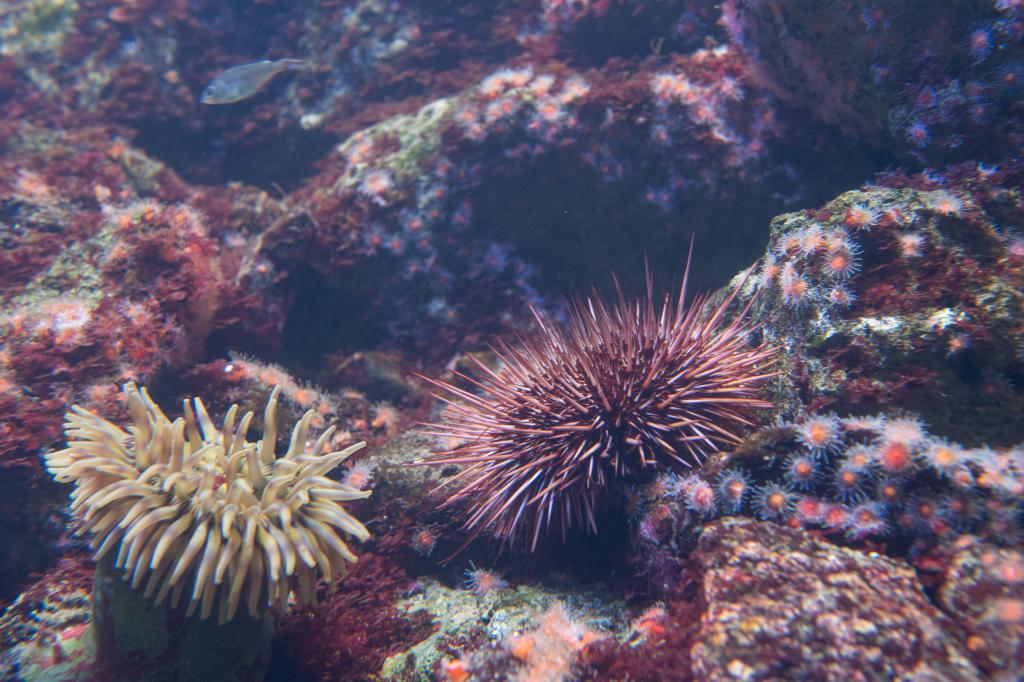
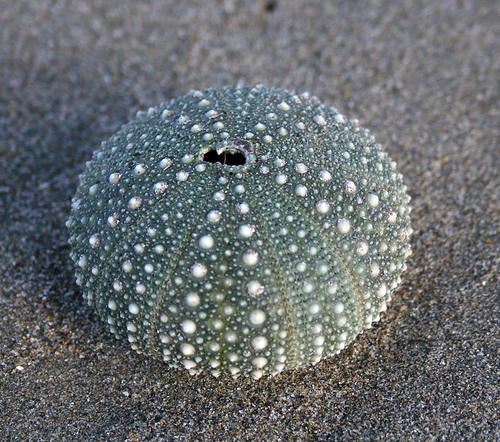
Typically found on rocky ocean floors, sea urchins are spherical or oval in shape, with a rigid, calcified shell called a “test,” which is composed of interlocking plates of calcium carbonate. These tests come in a range of colours including black, green, purple, and red, and can vary in size from 3 to 10 cm, although some species can grow as large as 36 cm. The body of the sea urchin is symmetrical, and this symmetry is most apparent when looking at the test from above or below, as it has five distinct sections radiating out from a central axis.
The sea urchin’s test is covered by numerous long, spiny structures that protrude from its surface. These spines are hollow and serve multiple functions, including defence from predators, locomotion, and sometimes trapping food. The spines, which are controlled by muscular sheaths, can be moved to assist in movement and to help right the sea urchin if it becomes overturned.
The sea urchin has a complex anatomy cantered around its mouth and anus. The mouth is located on the underside of the urchin, while the anus sits on the upper surface, with the two openings connected by a system of tubes. The mouth is surrounded by a unique chewing mechanism called “Aristotle’s lantern,” a set of five calcium carbonate teeth that work together to scrape and grind food. These teeth are exceptionally strong and allow sea urchins to feed on algae, sponges, and other slow-moving organisms.
Once a sea urchin dies, its test remains behind. Without the soft tissues that once held its spines in place, the spines fall off, leaving behind a hollow shell. Over time, the test may become colonized by other marine organisms such as barnacles or algae, but its distinctive shape remains a testament to the sea urchin’s remarkable structure and ecological importance.
Where can sea Urchins be found across Australia?
Sea Urchins are found on rocky reefs and seagrass beds along southern and eastern Australia, with high densities in Tasmania and Victoria. Areas where predators like lobsters are absent, such as urchin barrens, see significant population increases.
10. Turban snails


Description:
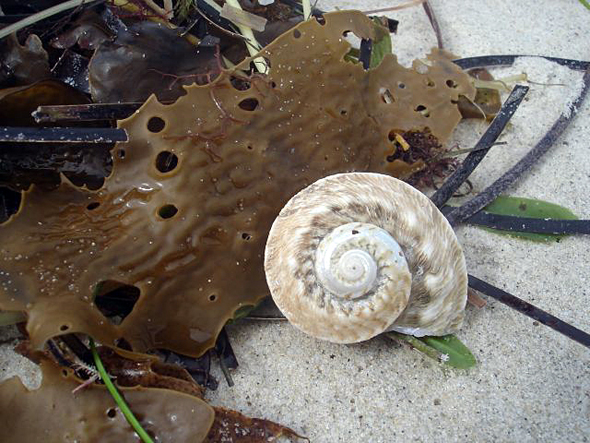
Turban snails are marine gastropods known for their distinctive, and intricately designed shells. These snails typically have a single, spiral shell that is broad and conical, often with a rounded opening at the base. A key feature of turban snails is their operculum, a calcareous, circular plate that serves as a “door” to close the aperture when the snail retracts into its shell. The operculum is typically smooth and round, often showing a spiral design on one side and a domed surface on the other. This tough, natural lid acts as a defence mechanism, safeguarding the snail from external threats, such as predators attempting to enter the shell or those trying to crush it. When disturbed or threatened, the snail retreats inside its shell, sealing the opening with the operculum, effectively protecting itself.
Turban snails are found in a variety of coastal habitats, including intertidal zones, rocky reefs, and tidal pools. They are distributed across a broad range of regions, from shallow waters to depths of around 20 meters. These snails are benthic animals, meaning they live on the seafloor, often hiding in crevices or beneath rocks and seaweed where they feed on algae and detritus.
With a lineage dating back over 250 million years, turban snails are truly an ancient species. Today, they continue to play a vital role in marine ecosystems, particularly in shallow coastal waters, where their grazing on algae helps maintain the delicate balance of these environments.
Where can Turban Snails be found across Australia?
Turban Snail shells are found along rocky intertidal and shallow reefs from New South Wales to Western Australia, including Tasmania. They are especially common in reef areas such as Sydney’s coastal shores and Western Australia’s Shark Bay.
 Pippi's Cove
Leave a comment